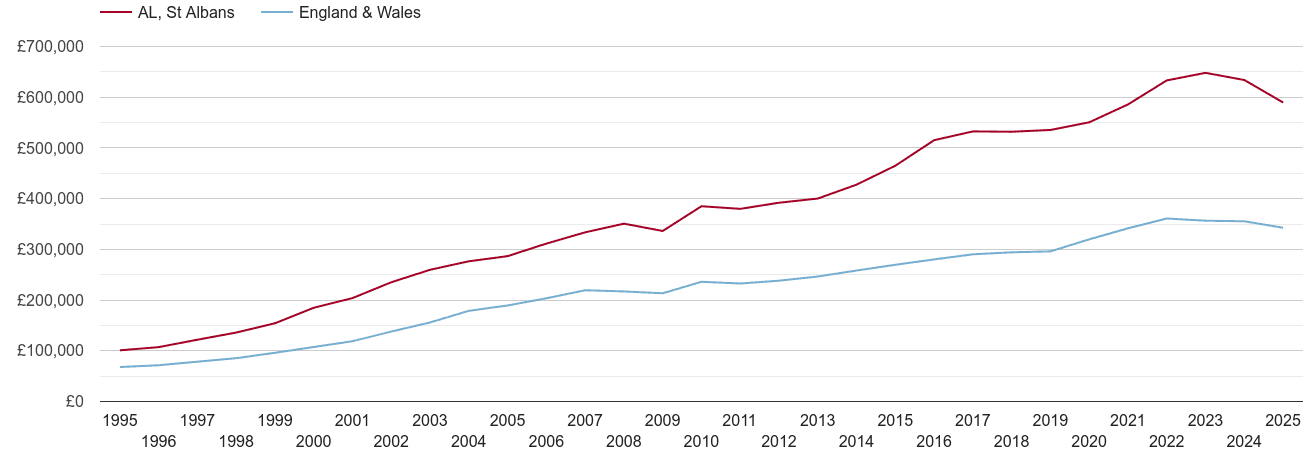
Victorian properties form the backbone of St Albans' residential housing stock, offering characterful homes with generous proportions and distinctive architectural features. However, these period properties, typically built between 1837 and 1901, present unique surveying challenges that require specialist knowledge and careful investigation by experienced chartered surveyors.
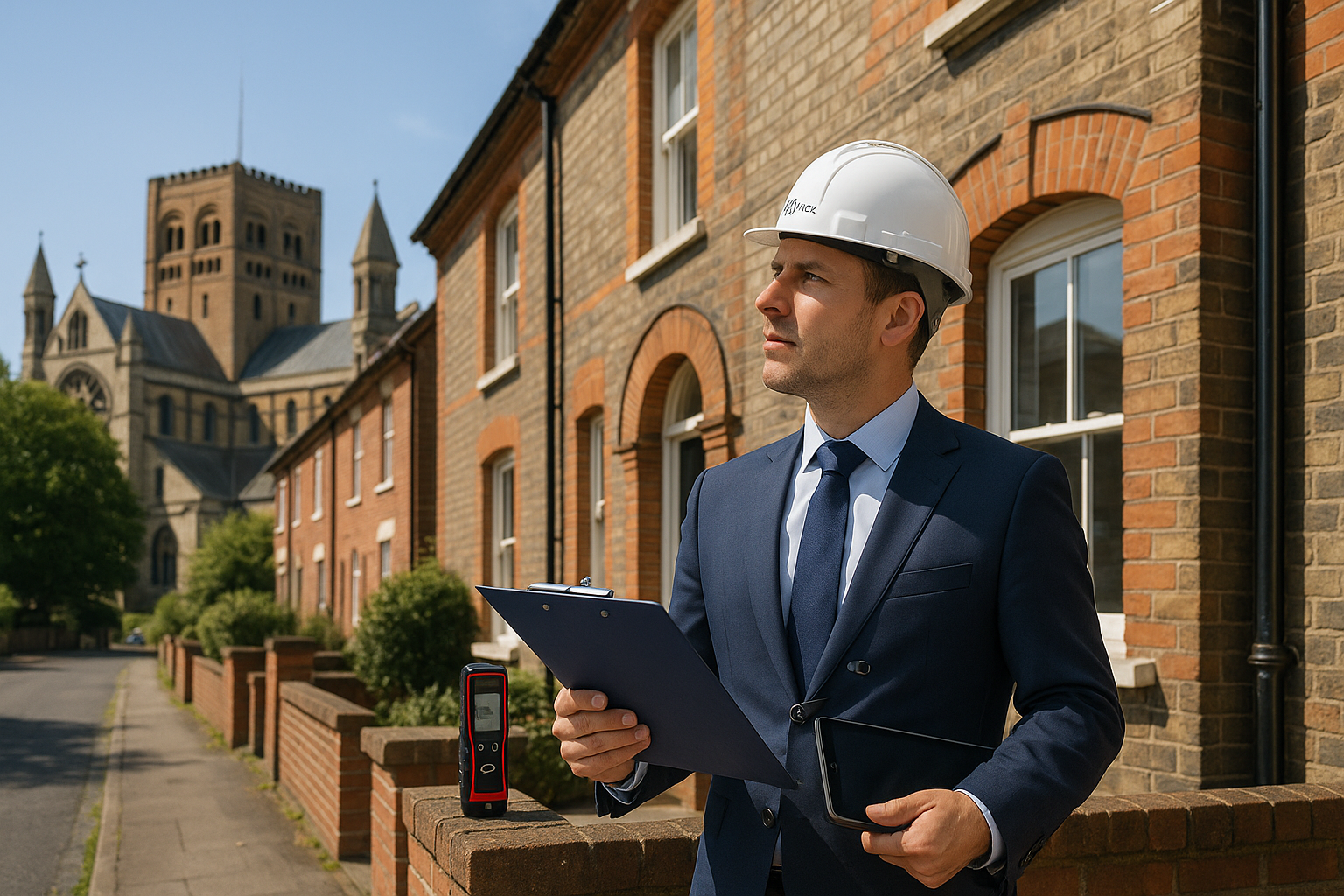
Understanding Victorian Construction Methods
Victorian builders employed construction techniques that differ significantly from modern methods, creating both the charm and challenges of period property ownership. Understanding these historical approaches helps professional surveyors identify potential issues and assess long-term maintenance requirements accurately.
Solid Wall Construction
Most Victorian properties feature solid wall construction, typically 9-inch thick brick walls without modern cavity wall insulation. These walls provide excellent thermal mass but can be susceptible to penetrating damp in exposed conditions and offer limited insulation by contemporary standards.
Professional surveyors examine solid walls for structural integrity, damp penetration, and pointing condition. The lime mortar commonly used in Victorian construction requires different maintenance approaches than modern cement-based mortars, and inappropriate repairs can cause long-term damage to original brickwork.
Traditional Foundations
Victorian foundations were typically constructed using local materials and traditional techniques, often featuring shallow brick or stone foundations without modern damp-proof courses. These foundations generally perform well in stable ground conditions but may be vulnerable to movement in Hertfordshire's variable clay soils.
Experienced surveyors assess foundation adequacy by examining internal and external evidence of movement, considering local ground conditions, and evaluating any subsequent underpinning or strengthening work. Understanding original foundation design helps predict long-term structural behavior and maintenance requirements.
Roof Construction and Materials
Victorian roofs typically feature traditional timber construction with Welsh slate or clay tile coverings. These roofs can provide decades of reliable service but require regular maintenance and eventual renewal as materials reach the end of their natural lifespan.
Professional roof surveys examine structural timber condition, covering material integrity, and rainwater disposal systems. Original Victorian guttering, often cast iron, requires particular attention as failure can cause significant water damage to walls and foundations below.
Common Victorian Property Issues
Subsidence and Ground Movement
Victorian properties in St Albans can be particularly susceptible to subsidence due to their shallow foundations and the area's clay soil conditions. Clay soils expand and contract with moisture changes, potentially causing foundation movement that manifests as internal and external cracking.
Professional surveyors investigate subsidence through detailed crack analysis, level measurements, and consideration of local geological conditions. Many Victorian properties show some settlement-related cracking that remains stable over time, but active movement requires specialist investigation and potential remedial work.
Tree-related subsidence represents a particular concern, as mature trees can extract substantial moisture from clay soils during dry periods. Surveyors assess tree proximity, species, and potential impact on foundation stability, recommending management strategies that balance structural protection with environmental considerations.
Damp Problems and Moisture Management
Damp issues affect many Victorian properties due to their solid wall construction, lack of original damp-proof courses, and age-related deterioration of protective systems. Professional surveyors distinguish between different damp types and identify appropriate treatment methods for each situation.
Rising damp occurs when ground moisture rises through walls in the absence of effective damp-proof barriers. Victorian properties may lack original damp-proof courses or have systems that have failed over time. Modern chemical or physical damp-proofing can provide effective solutions, though installation requires careful consideration of wall construction and existing conditions.
Penetrating damp results from water ingress through external walls, often caused by defective pointing, cracked rendering, or blocked rainwater disposal systems. Professional surveys identify source causes and recommend appropriate remedial works to prevent ongoing moisture problems.
Condensation problems can affect Victorian properties due to their solid wall construction and limited ventilation systems. Modern living patterns, including increased humidity from cooking and bathing, may exceed the natural ventilation capacity of period properties, requiring thoughtful solutions that balance moisture control with character preservation.
Structural Alterations and Modifications
Many Victorian properties have been altered over their 120+ year lifespans, with modifications ranging from simple room divisions to major structural changes. Professional surveyors assess these alterations for structural adequacy, building regulation compliance, and potential impact on original construction.
Common alterations include chimney breast removal, wall opening creation, loft conversions, and rear extensions. Each modification requires careful evaluation to ensure structural integrity hasn't been compromised and that load-bearing elements continue to function effectively.
Inappropriate alterations can weaken structural systems and create long-term problems. Surveyors examine steel beam installations, wall tie adequacy, and foundation extensions, recommending remedial works where structural integrity has been compromised by poor-quality modifications.
Specialist Victorian Property Concerns
Original Features and Conservation
Victorian properties often retain original architectural features including sash windows, decorative plasterwork, cast iron fireplaces, and ornate cornicing. While these elements contribute significantly to property character and value, they also require specialized maintenance approaches and careful restoration techniques.
Professional surveys assess original feature condition and maintenance requirements, balancing conservation principles with practical functionality. Sash window restoration, for example, can provide excellent long-term value but requires specialist craftsmanship and appropriate materials to achieve satisfactory results.
Properties in conservation areas face additional planning constraints that affect alteration possibilities and maintenance approaches. Surveyors familiar with conservation requirements help property owners understand their responsibilities and plan appropriate improvement strategies that respect heritage significance.
Building Services Integration
Victorian properties were built before electricity, gas, and modern plumbing systems, meaning all services have been retrofitted over time. This creates unique challenges for system routing, capacity planning, and integration with original structural elements.
Electrical systems in Victorian properties often require updating to meet modern safety standards and capacity requirements. Professional surveys examine existing installations and recommend improvements that balance safety, functionality, and conservation considerations.
Heating systems must work within the constraints of solid wall construction and limited insulation levels. Modern high-efficiency boilers and heating controls can provide excellent comfort levels, but system design requires careful consideration of heat distribution and energy efficiency within period property constraints.
Energy Efficiency and Thermal Performance
Victorian properties typically achieve lower energy efficiency ratings than modern homes due to their solid wall construction, original windows, and limited insulation opportunities. However, thoughtful improvements can significantly enhance thermal performance while preserving character and architectural integrity.
Internal wall insulation provides opportunities for thermal performance improvement in solid wall properties, though installation requires careful consideration of damp management, thermal bridging, and internal space implications. Professional advice helps balance energy efficiency gains with practical and conservation considerations.
Window upgrades present particular challenges in Victorian properties, where original sash windows contribute significantly to character. Secondary glazing, draught-proofing, and sensitive restoration can achieve substantial thermal improvements while preserving original features and maintaining planning compliance.
Professional Survey Approaches for Victorian Properties
Specialized Investigation Techniques
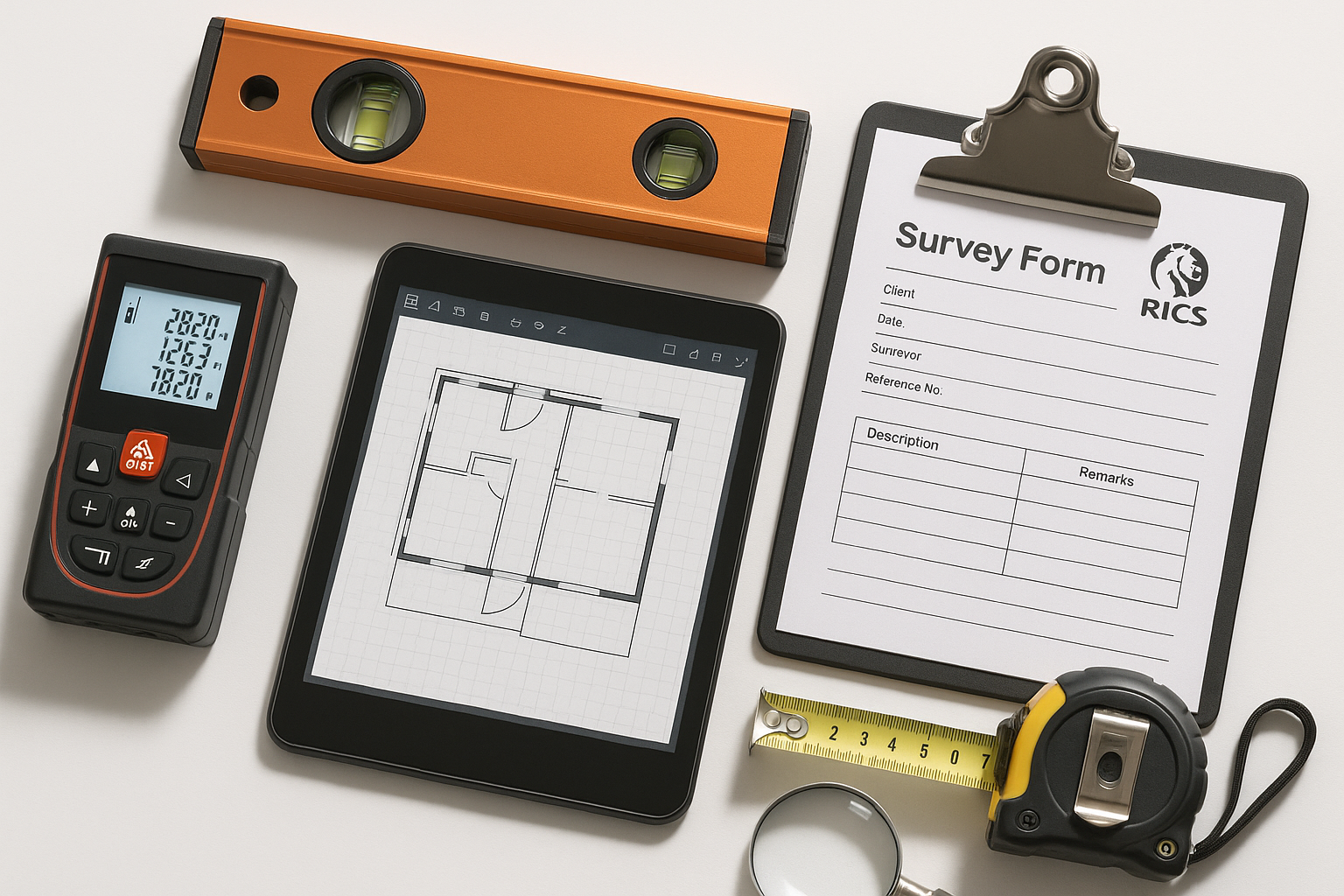
Victorian property surveys require specialized investigation techniques that account for traditional construction methods and common age-related issues. Experienced surveyors use electronic moisture meters, crack monitoring devices, and thermal imaging equipment to assess condition accurately while respecting historic fabric.
Understanding traditional materials and construction techniques proves essential for accurate assessment. Lime mortars, traditional plasters, and original timber construction require different evaluation approaches than modern materials, and inappropriate testing methods can cause unnecessary damage to historic fabric.
Risk Assessment and Prioritization
Victorian property surveys must balance numerous potential issues and help property owners prioritize improvement works effectively. Professional surveyors categorize defects by urgency, safety implications, and long-term structural significance, enabling informed decision-making about repair priorities and budget allocation.
Risk assessment considers both immediate safety concerns and longer-term maintenance requirements. Urgent structural issues require prompt attention, while predictable maintenance needs can be planned over several years to spread costs and minimize disruption to occupancy.
Conservation and Planning Considerations
Many Victorian properties in St Albans are located within conservation areas or may have listed building status, creating additional considerations for survey recommendations and improvement planning. Professional surveyors understand planning constraints and conservation principles, ensuring advice remains practical within regulatory frameworks.
Survey reports for conservation properties typically include specific guidance on planning requirements, appropriate materials, and sensitive repair techniques that preserve historic significance while addressing practical maintenance needs. This specialized advice helps property owners navigate complex regulatory requirements successfully.
Maintenance Planning for Victorian Properties
Preventive Maintenance Strategies
Victorian properties benefit significantly from proactive maintenance approaches that address minor issues before they develop into major problems. Professional surveys identify maintenance priorities and recommend timing for various improvement works, enabling property owners to plan effectively for ongoing ownership costs.
Regular maintenance activities include external decoration cycles, gutter cleaning and maintenance, pointing renewal, and timber treatment programs. Establishing systematic maintenance schedules helps preserve property condition while spreading costs over time and avoiding emergency repair situations.
Long-term Investment Planning
Victorian property ownership requires long-term perspective and appropriate financial planning for major maintenance cycles. Professional surveys help owners understand replacement timelines for major elements including roofing, windows, heating systems, and structural components.
Investment in high-quality maintenance and sensitive improvements typically enhances Victorian property values significantly. Properties with well-maintained original features, updated building services, and improved energy efficiency achieve premium prices while providing excellent long-term ownership satisfaction.
Expert Victorian Property Survey Services
At St Albans Surveyors, we specialize in Victorian property surveys throughout Hertfordshire, combining traditional building knowledge with modern assessment techniques. Our experienced team understands the unique challenges of period properties and provides detailed advice that balances conservation principles with practical ownership requirements.
Our Victorian property surveys examine all aspects of construction, condition, and maintenance requirements, providing comprehensive reports that help property owners make informed decisions about purchases, improvements, and long-term maintenance planning. We understand local planning constraints and conservation considerations, ensuring our advice remains practical within regulatory frameworks.
For expert Victorian property survey services across St Albans and Hertfordshire, contact our experienced team today. We provide detailed assessments, conservation-conscious advice, and ongoing support for successful Victorian property ownership and improvement projects.
Buying a Victorian Property in St Albans?
Our specialized Victorian property surveys combine traditional building knowledge with modern assessment techniques, providing comprehensive advice for successful period property ownership.
Get Victorian Property Survey